Food Safety & Restaurant Operations
Restaurant closures often start with small food-safety misses
A missed temperature, an incomplete cleaning task, or a corrective action no one documented can become much more expensive than a few minutes of verification each shift.
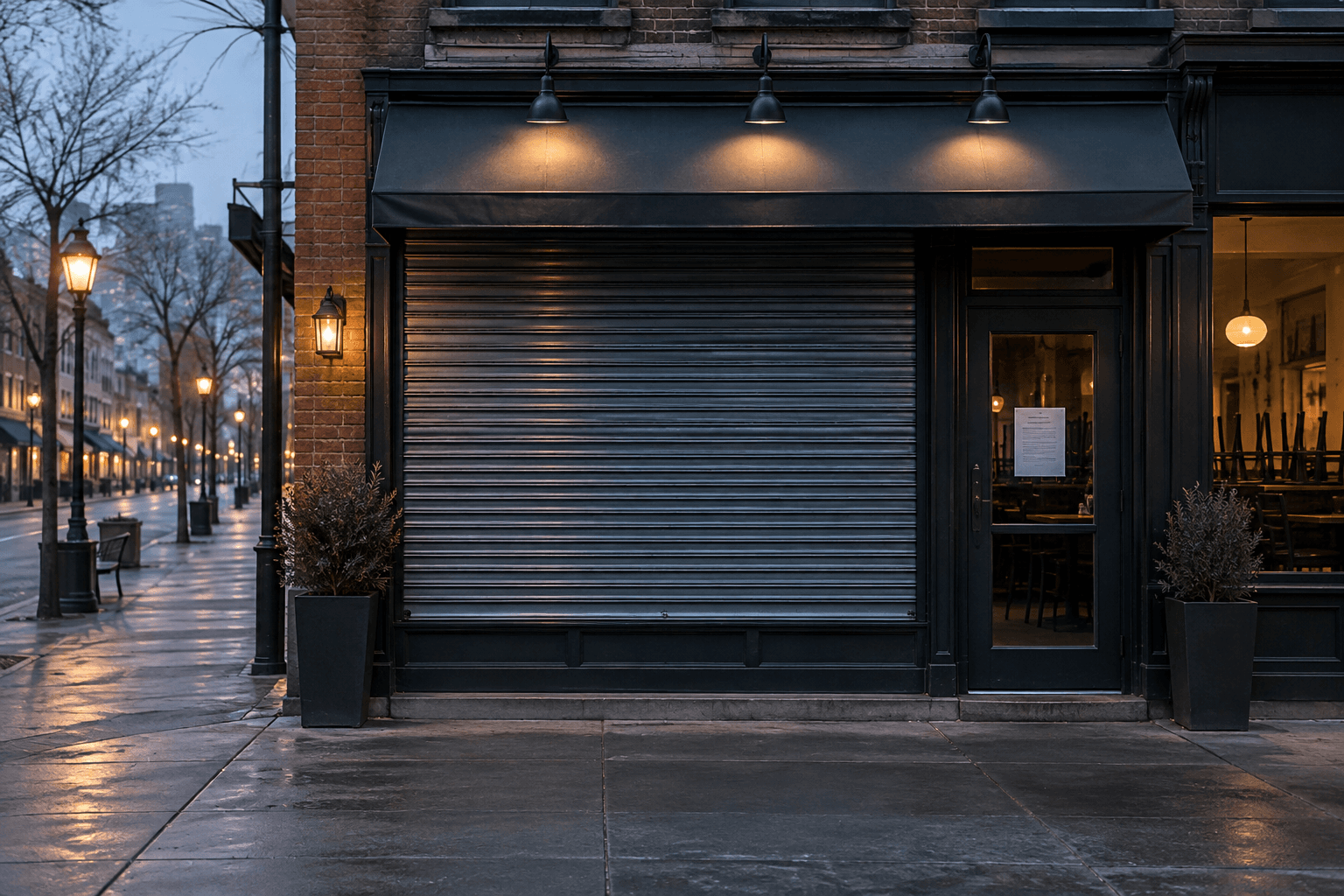
When a restaurant fails an inspection, the public story may be a closure notice or a temporary shutdown. Inside the operation, the cause is often a pattern of ordinary misses: food held outside a safe temperature range, dirty or damaged equipment, poor handwashing controls, pests, or sanitation tasks that were assumed instead of verified.
Why one missed check can become a serious problem
Food safety is a control system. Temperature, time, cleaning, and personal hygiene controls work together. If a team cannot show that those controls were checked and corrected, managers have less time to respond before a risk reaches a guest or an inspector.
The FDA Food Code is a model used by jurisdictions to regulate retail and food-service operations. It covers time-and-temperature control, date marking, hygiene, equipment, and sanitation. Local requirements vary, but the operating lesson is consistent: critical controls need a repeatable process and a record.
The recurring failure points
Temperature
Cold or hot food is not checked at the required intervals, or a reading is copied without a corrective action.
Cleanliness
Prep surfaces, coolers, floors, and high-touch areas are not cleaned to a defined standard.
Sanitation
Sanitizer concentration, warewashing, handwashing supplies, or pest controls are missed during a busy shift.
Follow-through
A problem is noticed, but no one is assigned to fix it or verify that it was fixed.
What a strong pre-service line check changes
A useful line check turns broad expectations into observable questions. Is the cooler at the target temperature? Are ready-to-eat foods date-marked? Is the sanitizer set up correctly? Are hand sinks stocked? If an answer fails, the check should capture the correction, owner, and time—not just a red mark.
Paper can support a process, but pages get wet, lost, illegible, or separated from the corrective-action story. Digital restaurant line check software keeps the history organized, time-stamped, and available for coaching. Managers can see who completed the check, when it was completed, what took the longest, and whether the same issue keeps returning.
Closure headlines are a warning, not a playbook
Health departments do sometimes order restaurants closed when unsafe conditions require immediate correction. For example, the Hawaii Department of Health reported a 2025 closure involving inadequate refrigeration and cold-holding temperatures. That report is about a specific establishment; it is not evidence that every closure has the same cause. It does show why temperature controls need attention before an inspection.
A failed inspection does not automatically cause bankruptcy or Chapter 11. But repeated violations, emergency closure days, spoiled inventory, legal costs, lost guest trust, and missed sales can compound quickly—especially for a restaurant already operating on thin margins. Preventive checks are an operating safeguard, not a guarantee against every business risk.
Build inspection readiness into the shift
- Define the few food-safety and sanitation checks that must happen before service.
- Assign each check to a named team member.
- Require a measured answer where possible—especially for temperatures.
- Record the corrective action and verify completion.
- Review repeat exceptions weekly and fix the underlying process.
Inspection readiness is not a last-minute binder exercise. It is the result of small, visible habits repeated every shift. A digital record makes those habits easier to see, coach, and prove.